
The brief
Lidoc Tours & Safaris operate out of Mombasa — safari packages, coastal extensions, gorilla trekking in Uganda, and everything in between. The team had the products and the ground experience. What they didn't have was a platform that made the depth of their catalogue visible or made it easy for a traveller to start a booking conversation.
They came to us with a clear mandate: build a website that works as hard as their guides do.
What we shipped
- A full responsive website with an animated hero slider cycling through Lidoc's best imagery.
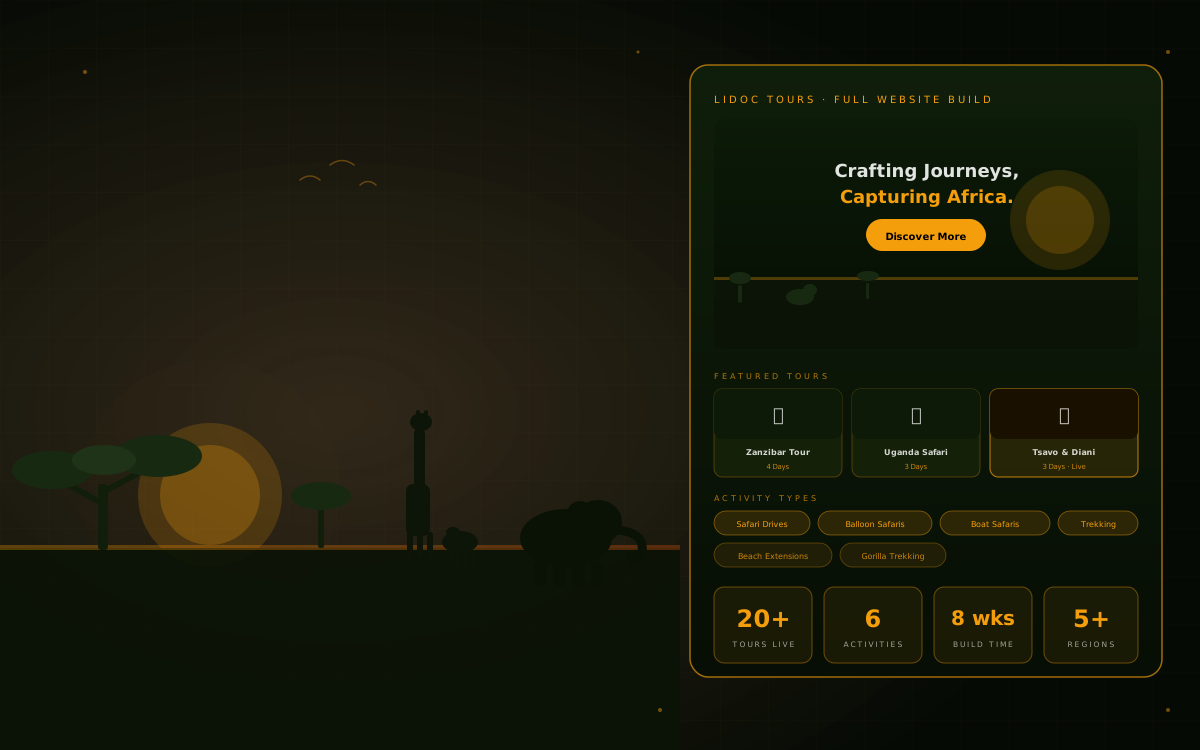
- A tour listings system — 20+ packages with per-tour duration, location, photo gallery, and enquiry path.
- A destination section covering Maasai Mara, Zanzibar, Uganda, Tsavo, Diani, and Nairobi day tours.
- Six activity category pages: Safari Drives, Hot Air Balloon Safaris, Guided Trekking & Nature Walks, Boat Safaris, Beach Extensions, and Gorilla Trekking.
- A quote-request flow tied to specific tours, with WhatsApp as a parallel entry point.
- A testimonials section, FAQ accordion, and newsletter sign-up.
- User registration and sign-in for returning clients.
How we worked
Eight weeks. The first week was inventory — we mapped every tour, destination, and activity Lidoc ran so the information architecture matched the real product catalogue, not a simplified version of it.
Design led with mobile. Most East African travel research happens on a phone, and most of Lidoc's inbound traffic follows that pattern. Every layout decision was validated at 390px before it was validated at 1280px.
We used a standard CMS that the Lidoc team can update themselves — new tours, updated prices, seasonal packages — without touching code.
Outcome
The platform launched with the full catalogue live: 20+ tour packages, six activity types, five-plus regional destinations, and a coherent quote-to-WhatsApp conversion path. Lidoc moved from a static presence to a working digital sales channel.
What we'd do differently
We would instrument the quote-request form with UTM parameters from week one. We set up the form correctly; we didn't wire the tracking until week ten. A month of attribution data is gone.